




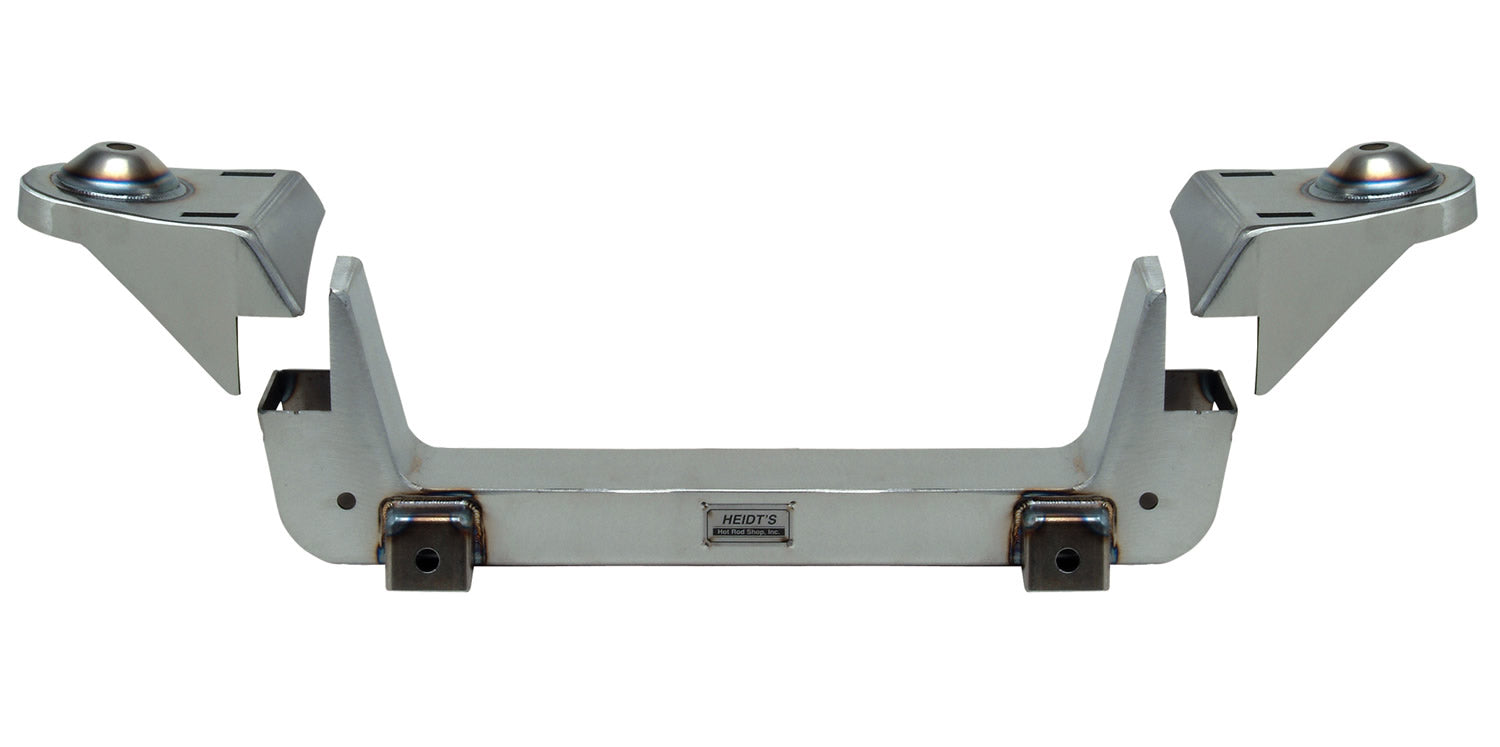
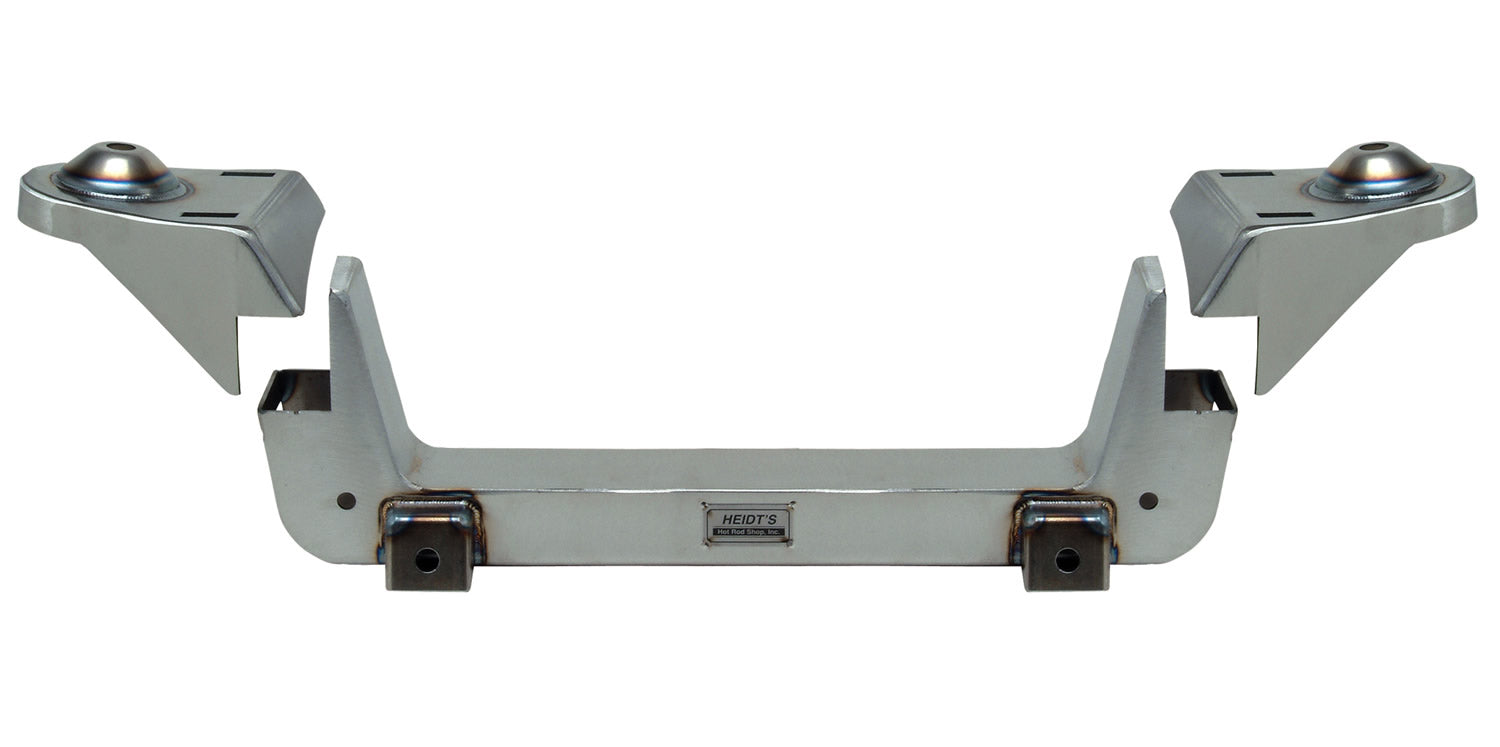
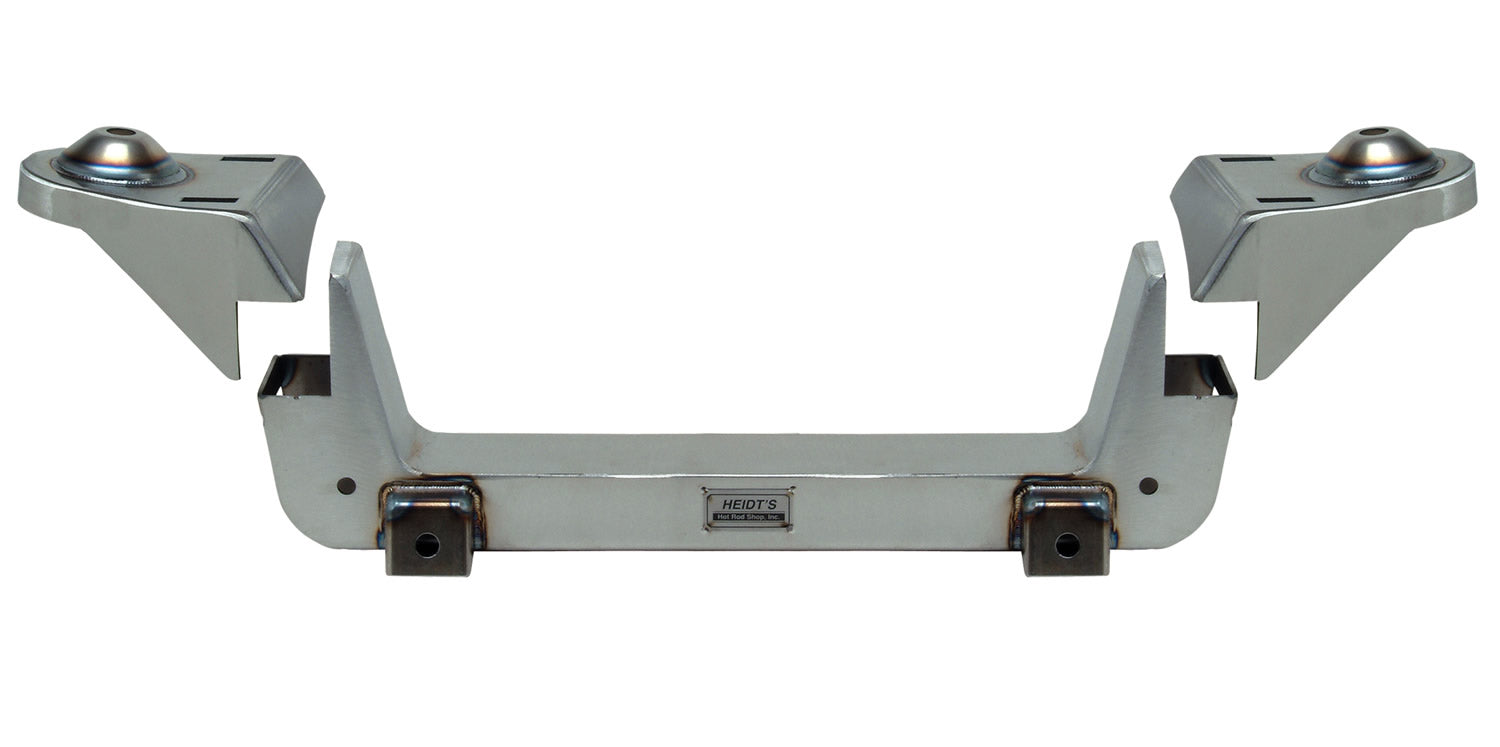
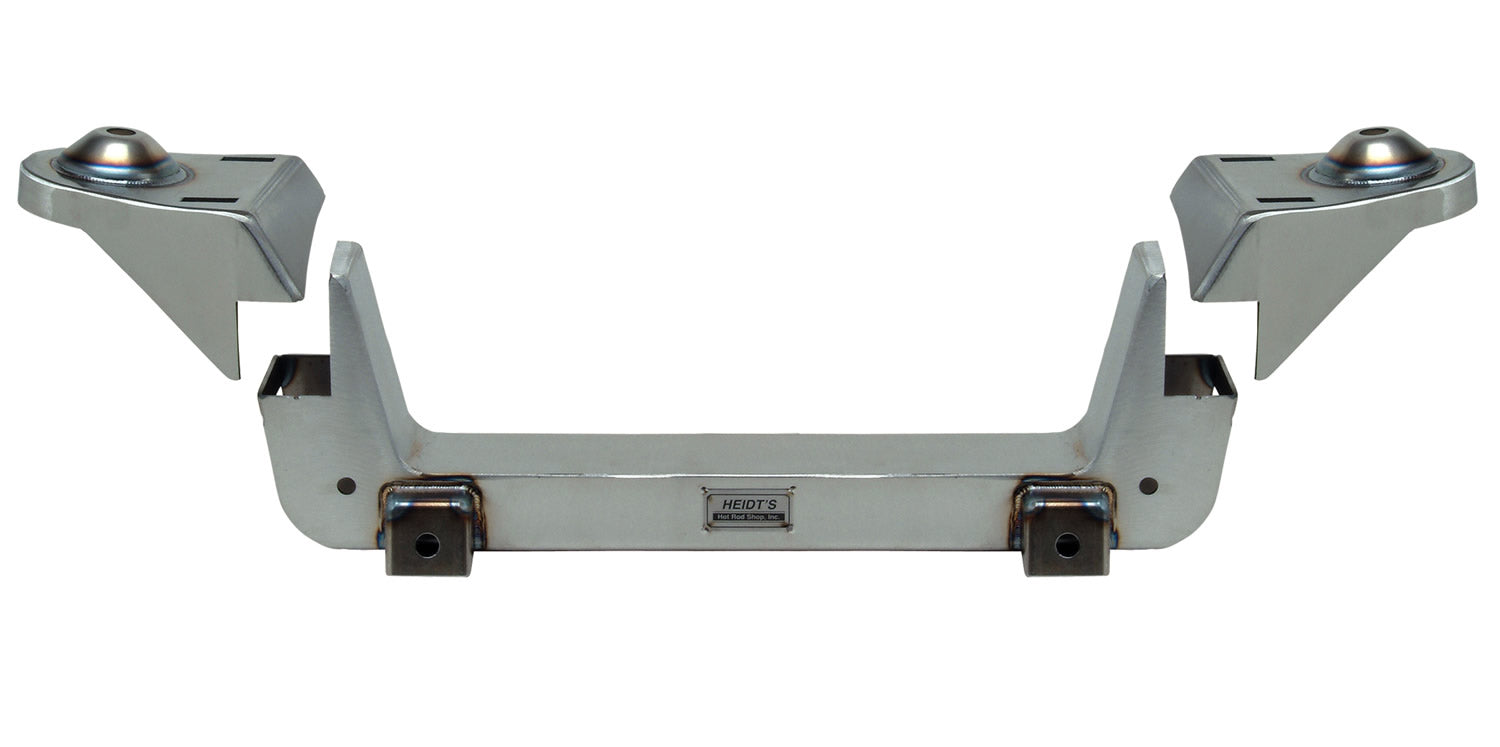
Performance Online Chassis Parts for Classic Cars & Trucks
The chassis forms the foundation of every vehicle, providing the structural framework that supports suspension, drivetrain, and body components. Upgrading chassis parts strengthens this foundation while improving performance, handling, and safety. Our selection of chassis components addresses the needs of restoration builds, performance upgrades, and custom projects that demand reliable structural solutions.
What Is a Chassis?
The car chassis is the vehicle's structural framework. It is the foundation everything else attaches to. It includes frame rails, crossmembers, suspension mounting points, and the structural elements that give the vehicle its shape and strength.
Body-on-frame vehicles like classic trucks use separate frame rails with the body bolted on top. Unibody vehicles integrate the body and frame into a single structure. Both designs rely on solid chassis components for structural integrity and proper function.
Critical Chassis Components
Vehicle chassis parts encompass multiple systems that work together:
Frame Rails and Crossmembers
The main rails and crossmembers form the chassis backbone. These structural elements must handle all loads the vehicle encounters — weight, suspension forces, torsional stress during cornering, and impact forces during hard driving.
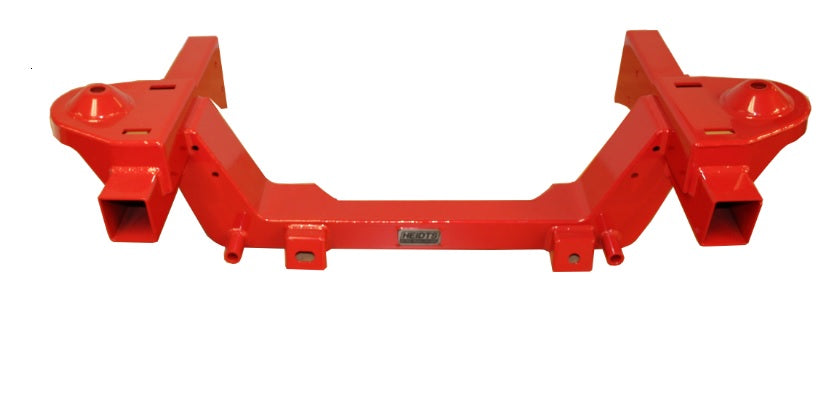
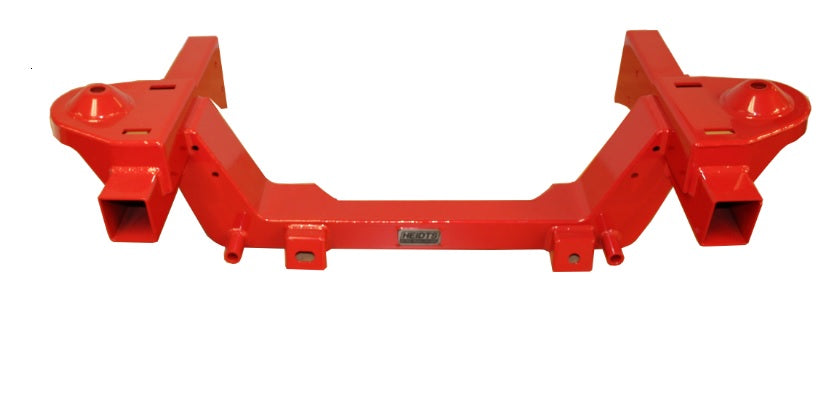
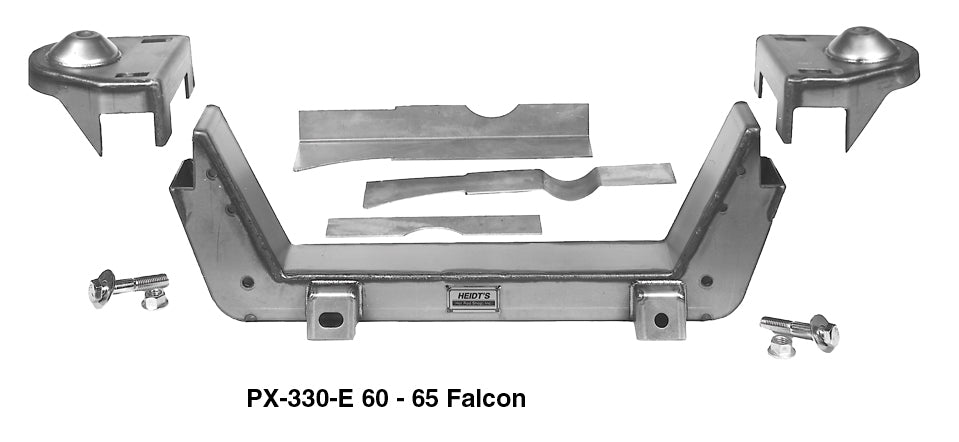
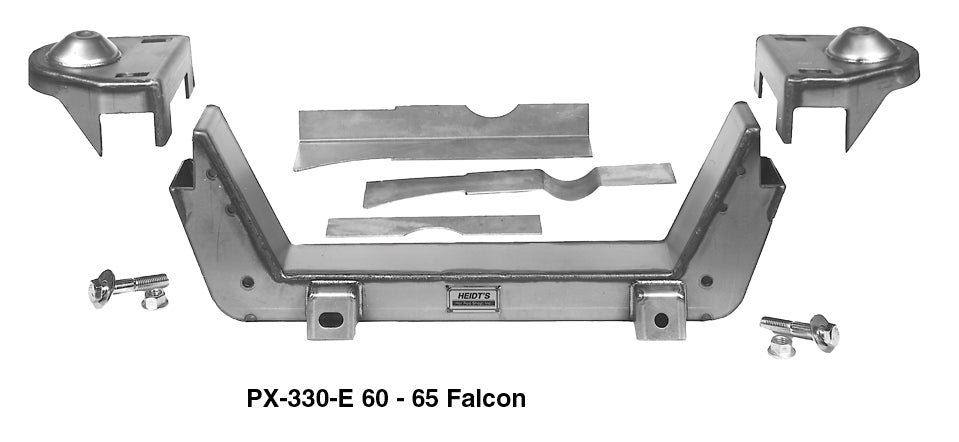
Crossmembers tie frame rails together, preventing flex and maintaining proper spacing. Upgraded crossmembers improve rigidity while accommodating modifications like engine swaps or suspension changes that require altered mounting positions.
Suspension Mounting Points
Chassis mounting points for suspension components must handle significant forces. Control arm mounts, shock towers, and leaf spring hangers transfer all suspension loads into the frame structure. Reinforced mounting points prevent flex and distortion that compromise suspension geometry.
Engine Mounts
Quality engine mounts secure the engine to chassis mounting points while isolating vibration. These often-overlooked components prevent drivetrain movement that creates driveline angles issues and unwanted vibration transmission.
Chassis Upgrades for Performance and Safety
Chassis upgrades improve how vehicles perform and handle:
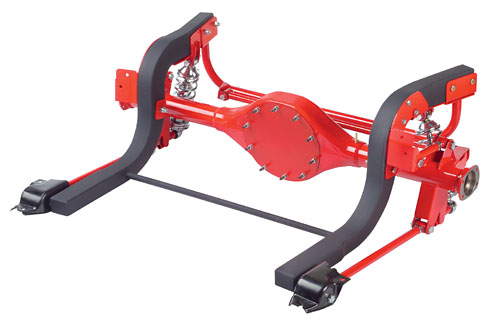
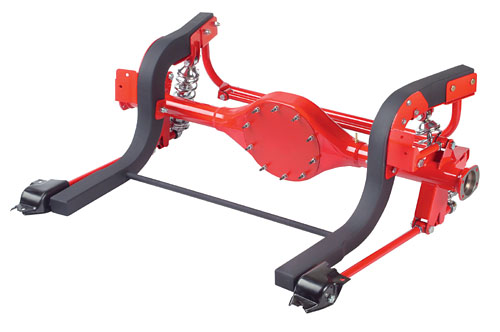
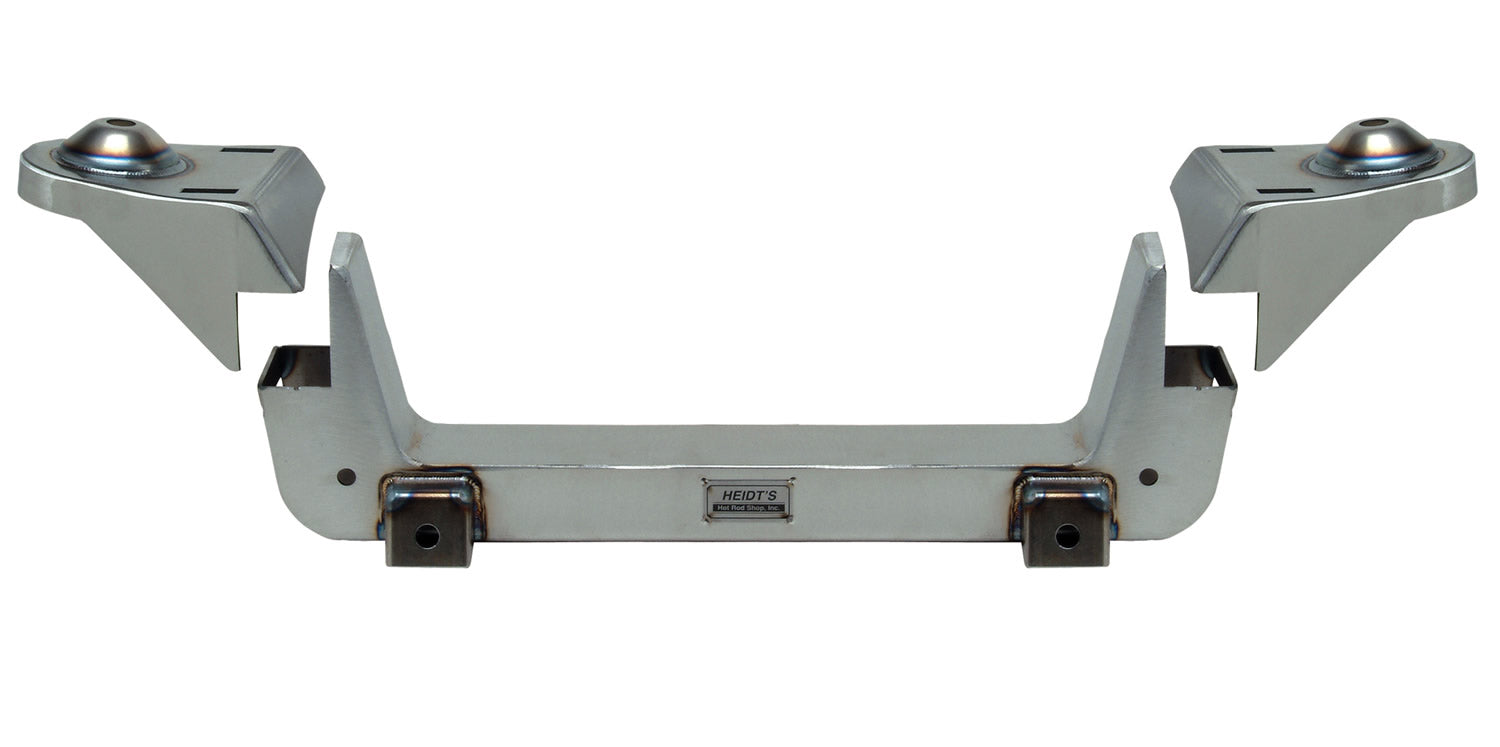
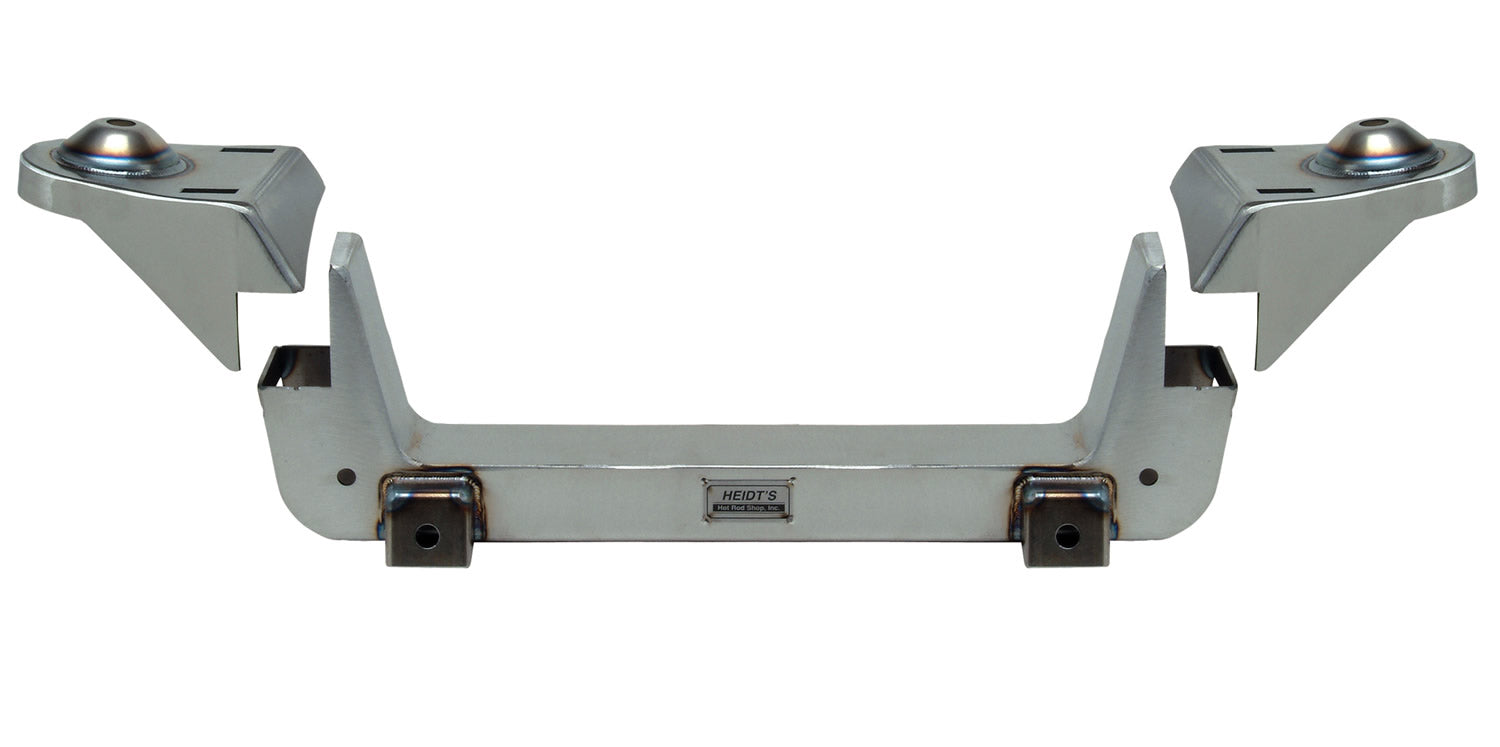
C-Notch Kits
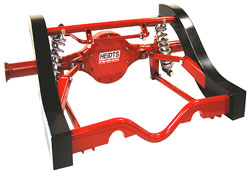
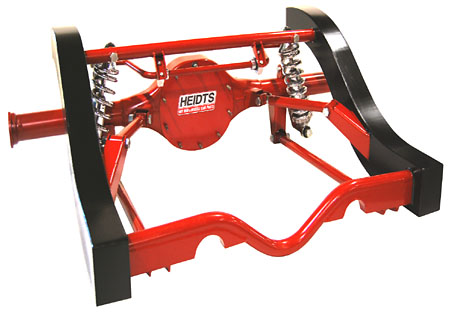
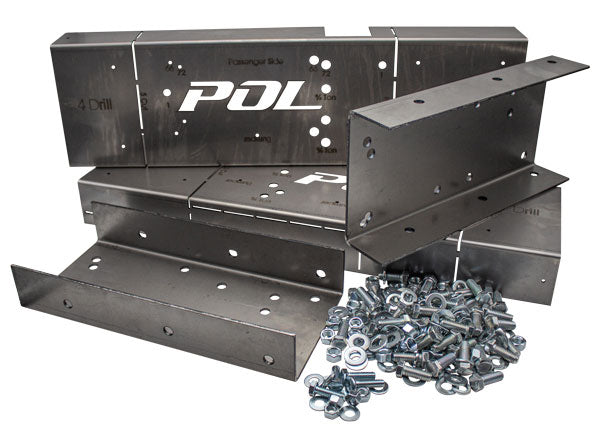
C-notch kits allow additional suspension travel on lowered trucks and cars. The modification cuts and boxes frame rails around the rear axle, creating clearance for the axle to travel upward without contacting the frame. This proves essential for lowered builds that need reasonable suspension travel.
Proper C-notch installation maintains frame strength while creating the clearance lowered vehicles need. Quality kits include reinforcement plates and proper boxing to ensure structural integrity after modification.
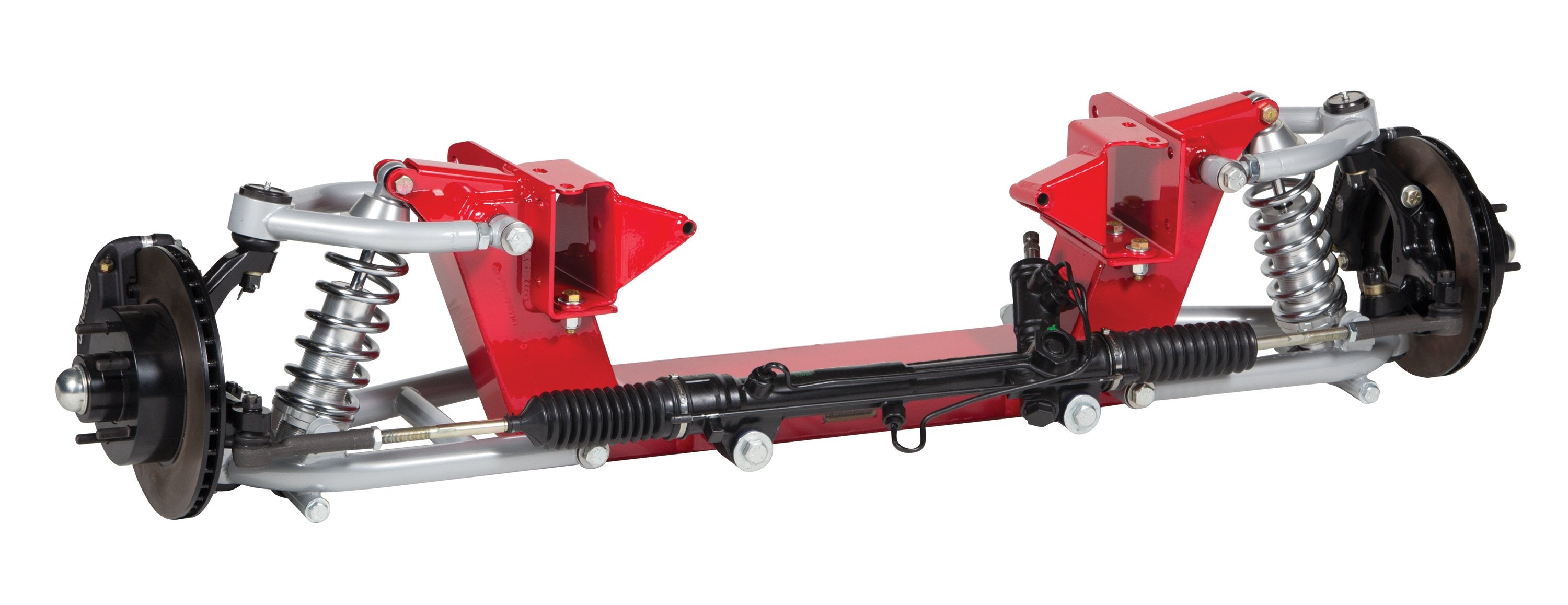
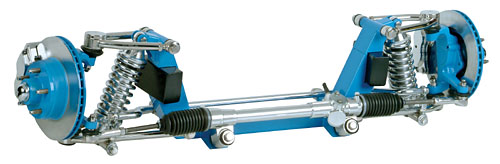
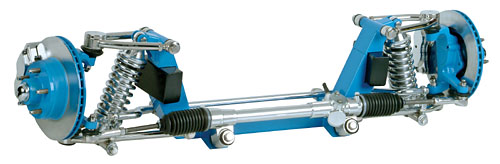
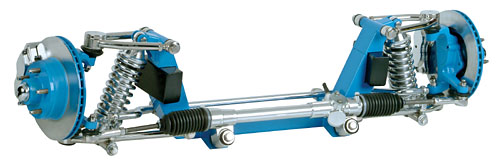
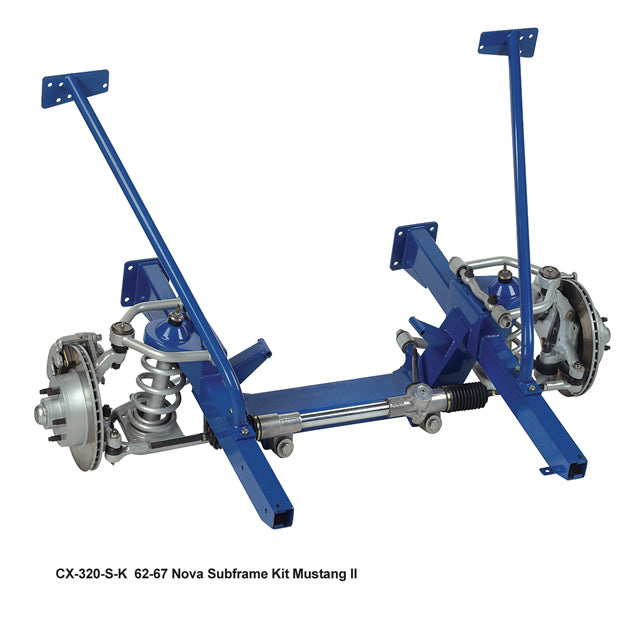
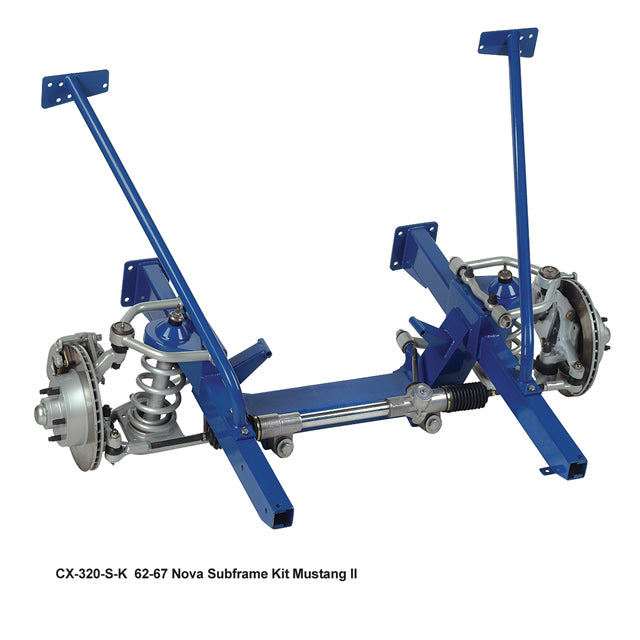
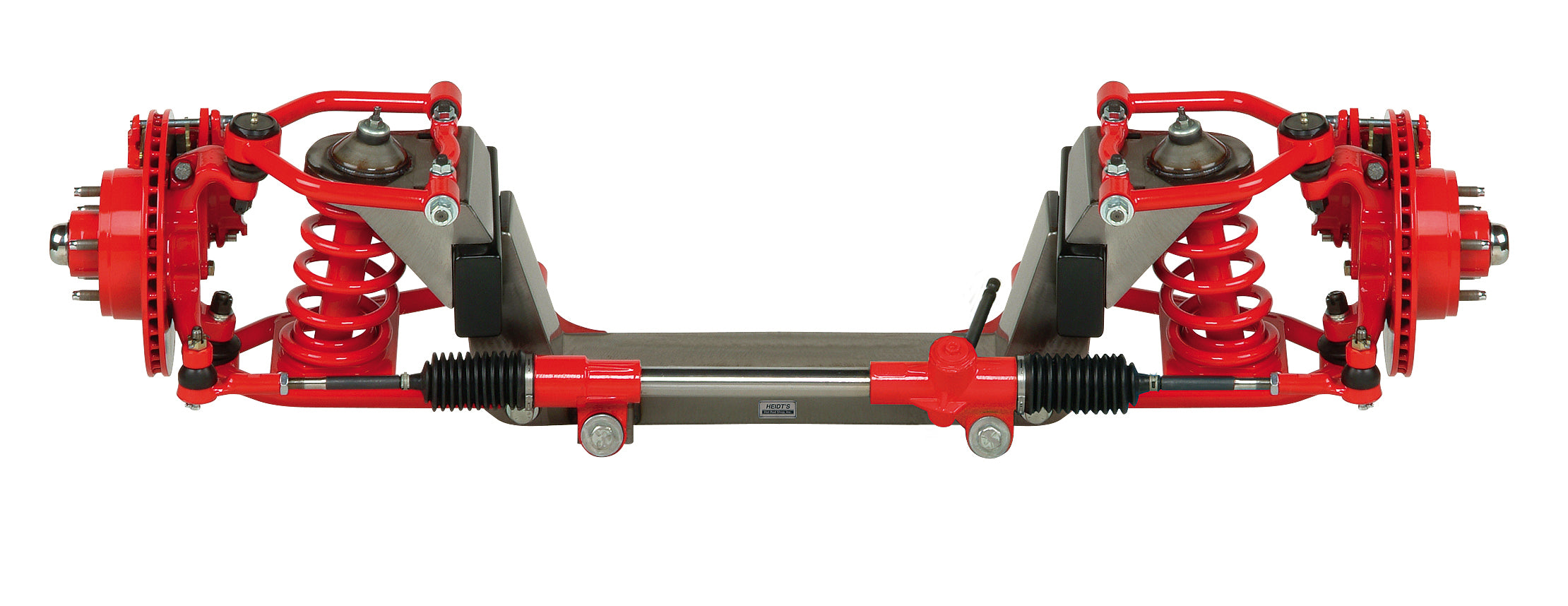
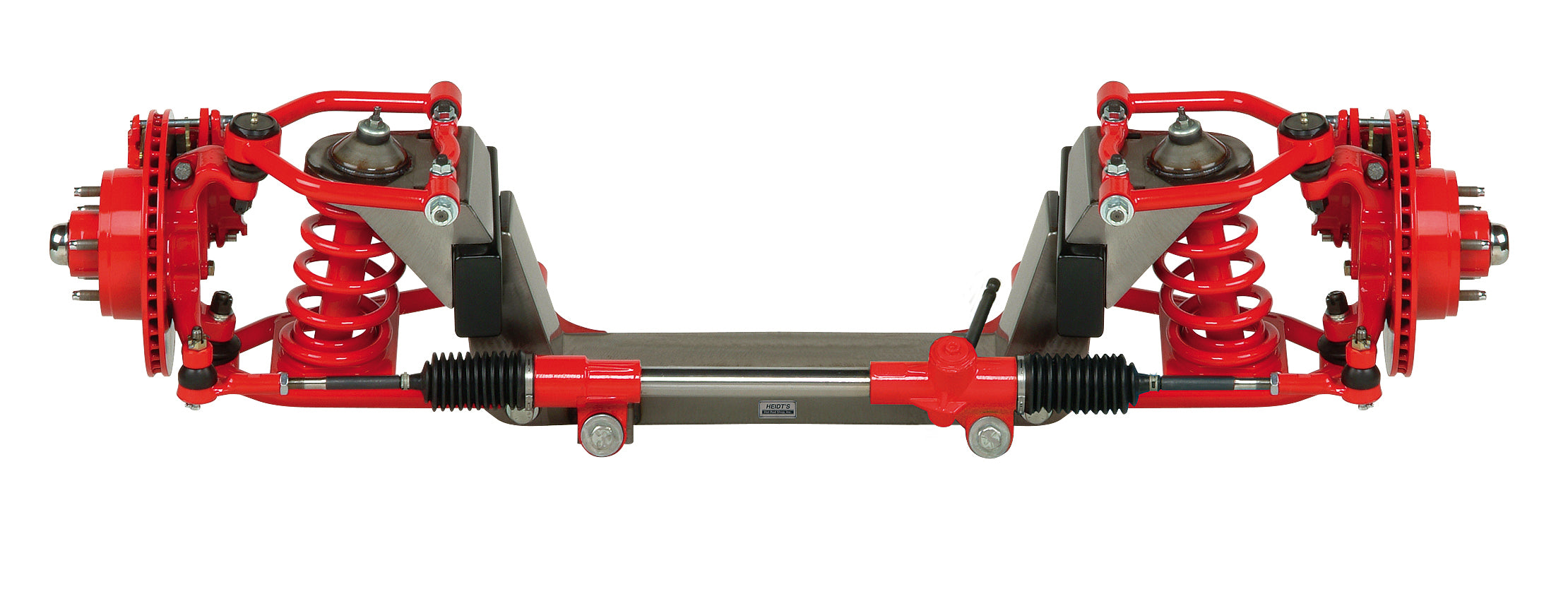
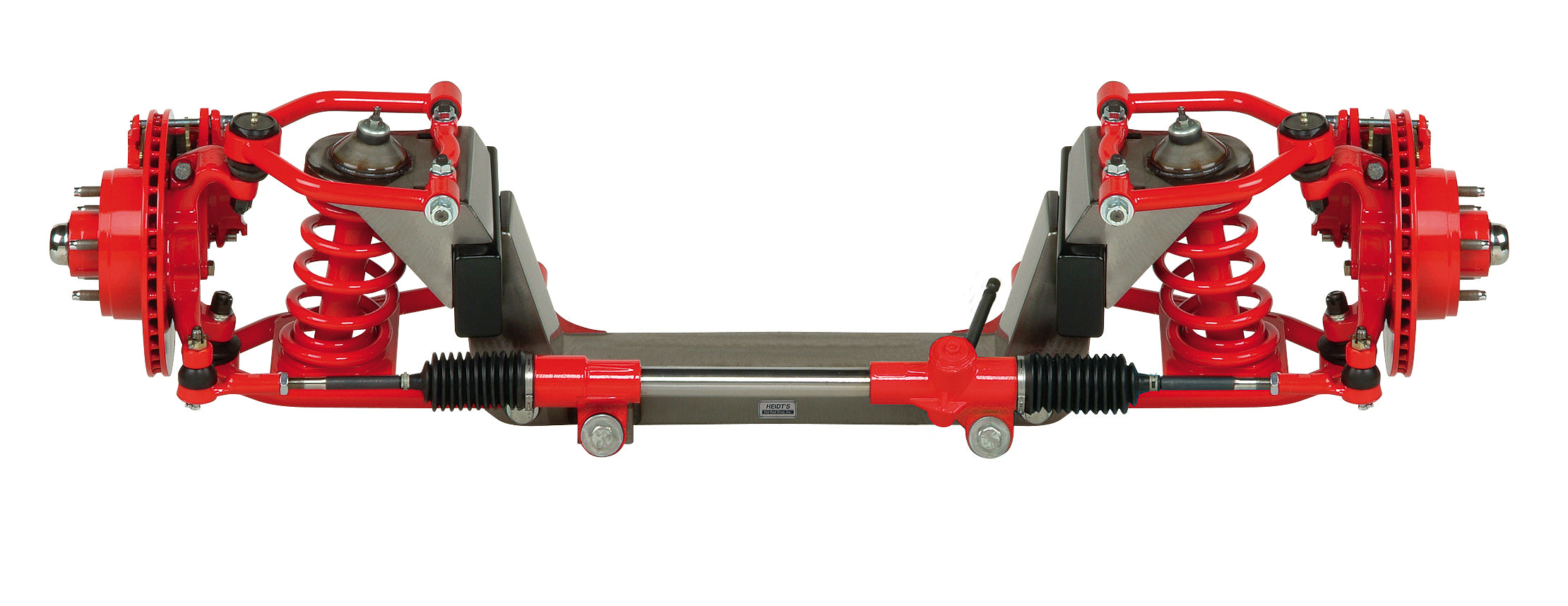
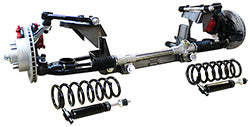
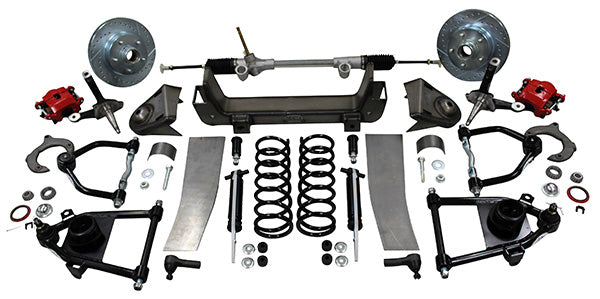
Mustang II Front Suspension
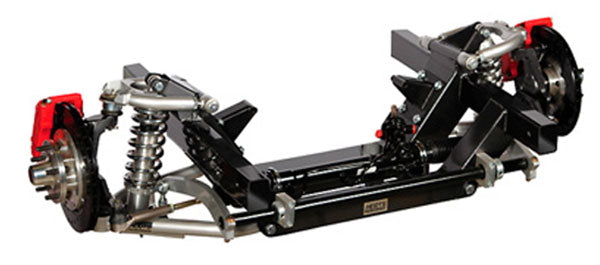
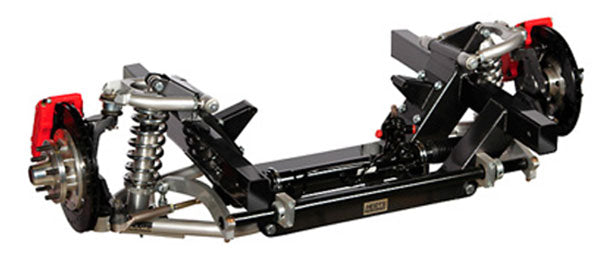
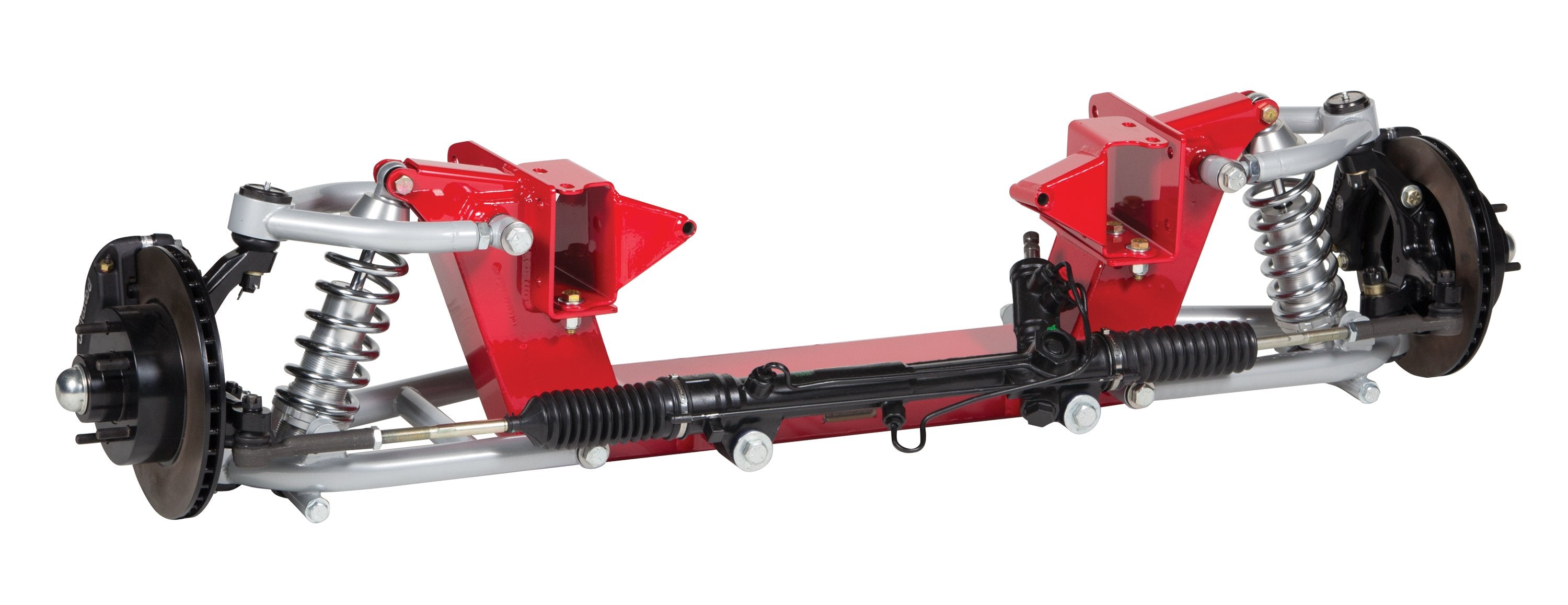
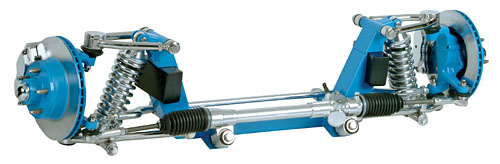
Mustang II suspension systems swap entire front suspensions on classic vehicles. These comprehensive kits replace factory suspensions with modern rack-and-pinion steering, coilover shocks, and disc brakes in a single bolt-on package.
The Mustang II conversion gained popularity due to compact dimensions that fit many classic applications, readily available parts, and dramatic improvement over factory suspensions. Modern engineering makes these swaps work better than ever.
Classic Car Chassis Restoration
Car chassis restoration addresses structural deterioration that affects older vehicles:
Rust Repair and Prevention
Rust attacks classic car chassis components, particularly in areas exposed to road salt and moisture. Floor pans, frame rails, and crossmembers corrode over time, compromising structural integrity. Restoration involves cutting out damaged sections and welding in new metal.
Prevention involves proper undercoating, regular cleaning, and addressing damage before it becomes extensive. Chassis parts replacement becomes necessary when rust damage exceeds what repair can safely address.
Structural Reinforcement
Adding gussets, boxing open frame sections, and reinforcing mounting points strengthens chassis that will see increased loads from performance upgrades. Stronger chassis better handles the forces modern engines and aggressive driving create.
Chassis Parts for Specific Applications
Different vehicles require different chassis components approaches:
Truck Chassis
Truck chassis construction uses heavier frame rails and crossmembers to handle payload and towing loads. Modifications must maintain adequate strength for intended use. Lowering a truck that will tow requires different engineering than a pavement-only show truck.
Classic truck frames often show damage from decades of hard use. Replacing worn vehicle chassis parts returns these workhorses to reliable service while accommodating modern suspension and brake upgrades.
Classic Car Chassis
Classic car chassis varies by construction type and era. Early vehicles often use simple ladder frames while later cars employ more sophisticated designs with integrated body structures. Understanding your specific chassis type guides appropriate upgrade and restoration decisions.
Performance Chassis
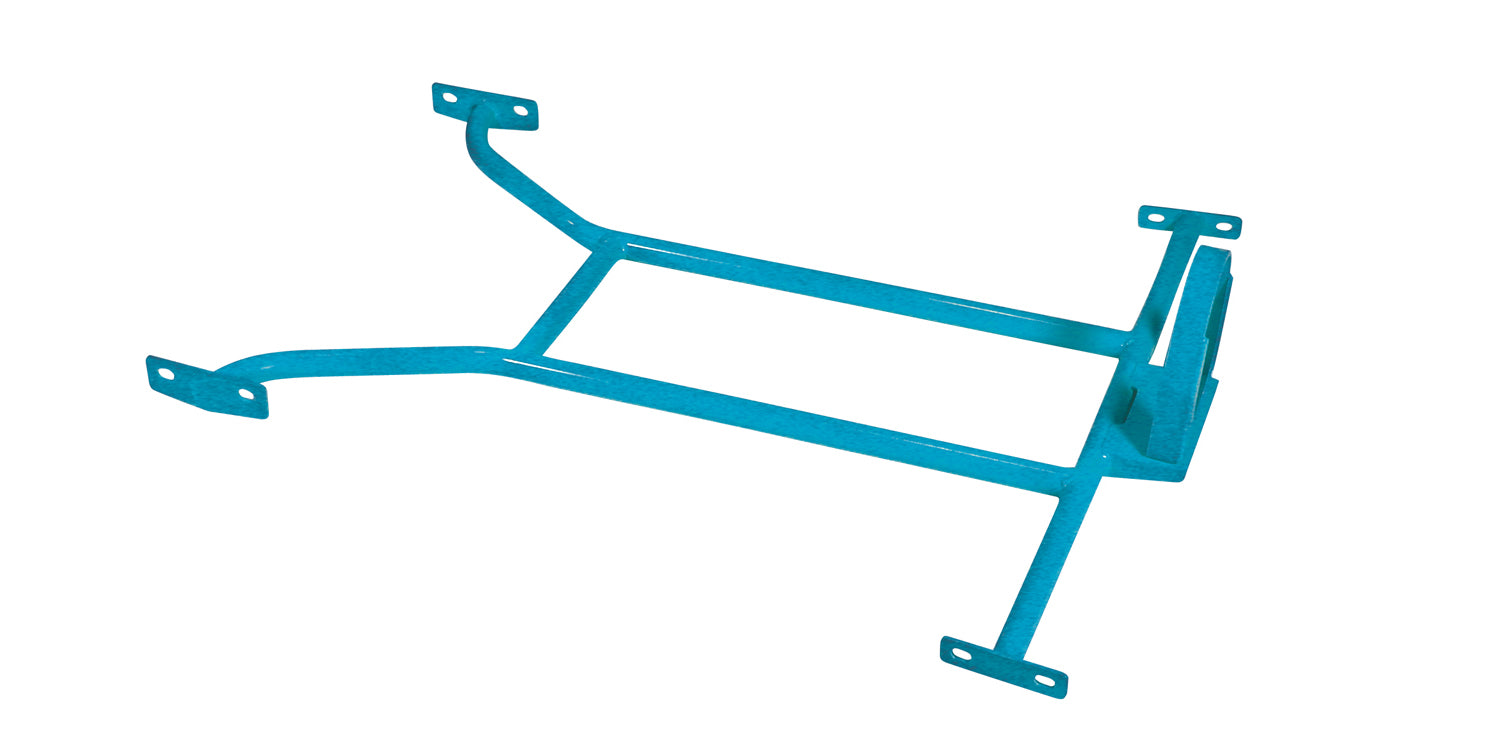
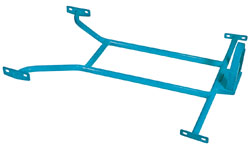
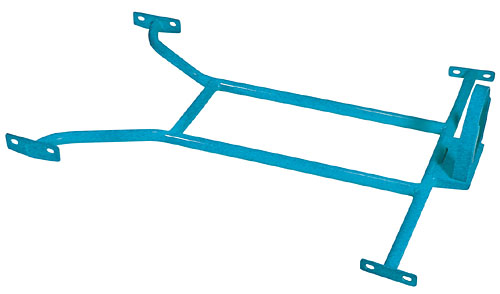
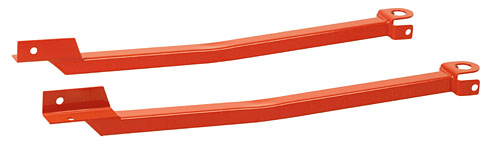
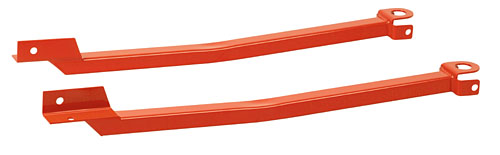
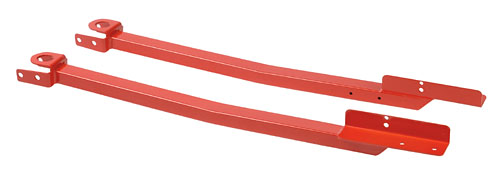
Performance applications demand the strongest possible foundation. Performance chassis modifications include frame connectors that tie front and rear frame sections together, reducing flex during hard cornering and acceleration. These upgrades prove particularly valuable for vehicles with significant power increases.
Ford Chassis Applications
Ford chassis covers diverse platforms from Mustangs to F-Series trucks. Each application has specific requirements and available upgrades:
Ford's body-on-frame trucks use rugged chassis that respond well to reinforcement and modification. Mustang unibody platforms benefit from subframe connectors and torque boxes that reduce flex. Platform-specific chassis parts address each vehicle's unique needs.
Chevelle Chassis and GM Applications
Chevelle chassis and other GM A-body platforms use perimeter frames with specific mounting points for suspension and drivetrain components. These well-understood platforms have extensive aftermarket support for virtually any modification.
GM's long production runs mean excellent chassis components availability for restoration and performance builds. Whether returning a car to factory specifications or building a pro-touring monster, the parts exist to support your goals.
Finding Quality Chassis Components
Chassis parts online shopping requires attention to fitment and quality:
Application-Specific Engineering
Generic automobile chassis parts rarely fit as well as components designed for specific vehicles. Proper engineering accounts for mounting point locations, frame dimensions, and clearances that generic parts ignore.
Material Quality
Chassis auto parts must use appropriate materials for their loads and environment. Heavy-gauge steel for frame components, proper welding procedures, and corrosion-resistant finishes ensure longevity and reliability.
Manufacturing Standards
Chassis manufacturers vary widely in quality and attention to detail. Look for components from established manufacturers with proven track records in classic vehicle applications.
Installation and Modification Considerations
Car chassis parts installation often requires welding and fabrication skills:
Professional Installation
Major chassis upgrades like crossmember replacement or C-notch installation require welding expertise and proper equipment. Chassis work demands precision — improper installation creates safety hazards and handling problems.
Measurement and Alignment
Chassis modifications affect suspension geometry and body alignment. Careful measurement before, during, and after installation ensures proper results. Professional alignment after chassis work verifies that everything ended up where it should be.
Structural Integrity
Never compromise chassis strength for appearance or convenience. The vehicle chassis must handle all loads safely. Cutting without proper reinforcement or using inadequate materials creates dangerous situations.
Parts of a Car Chassis
All the parts work together as an integrated system:
Frame rails provide longitudinal strength and mounting points for suspension, engine, and body components. Crossmembers tie rails together, preventing twisting and maintaining proper spacing. Mounting brackets and reinforcements distribute loads across the structure. Changes to one area affect the entire system.
Best Chassis Practices
The best chassis approaches balance strength, weight, and functionality:
Adequate strength for intended use without unnecessary weight that hurts performance. Proper reinforcement where loads concentrate without over-building areas that don't need it. Quality materials and proper welding techniques throughout.
Considerations When Buying Parts Online
When searching for classic car chassis for sale or classic chassis parts, verify fitment, check manufacturing quality, and confirm that components meet your specific needs. Not all chassis parts online offer equal quality or accurate fitment claims.
Performance Online Chassis Advantages
Our chassis components offer quality and fitment for serious builds:
Application-specific engineering ensures proper fit and function. Quality materials and manufacturing create components that last. Comprehensive selection covers restoration needs and performance upgrades.
We understand that vehicle chassis parts form the foundation everything else builds upon. Compromising chassis quality compromises everything else. Our components provide the solid foundation your build deserves.